Sushi, a quintessential Japanese dish, has gained tremendous popularity worldwide over the years. It has become a go-to option for many people, with sushi restaurants found in every corner of major cities. But have you ever wondered about the origins of sushi and why it has become such a beloved culinary delight? Let’s take a journey through time to explore the fascinating history of sushi and understand its enduring appeal. Also read about the boston sushi classes.
The story of sushi begins in Southeast Asia, around the 4th century BC, with the practice of preserving fish in fermented rice. This early form of sushi was known as narezushi and was developed as a means of preserving fish by fermenting it with rice and salt. The rice helped to preserve the fish by preventing the growth of harmful bacteria. Initially, the rice was discarded and only the fish was consumed after the fermentation process.
Over time, this preservation technique made its way to Japan, where the Japanese began to consume both the fish and the rice. However, it was during the Muromachi period (1336-1573) that sushi took on a new form known as haya-zushi. This type of sushi involved vinegared rice being mixed with various toppings, including seafood and vegetables, and was consumed immediately. Haya-zushi marked the shift from a preservation method to a delectable dish in its own right.
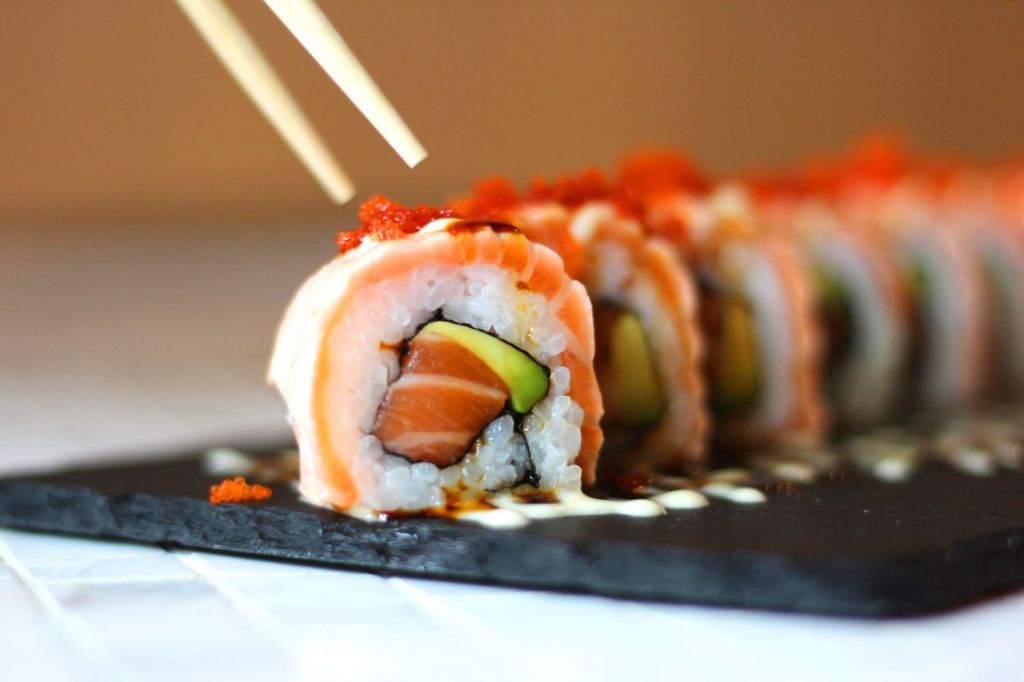
The sushi we know today, with its bite-sized portions of rice topped with fresh fish or other ingredients, emerged during the Edo period (1603-1868). It was during this time that sushi gained immense popularity in Tokyo, particularly with the introduction of nigiri-zushi. Nigiri-zushi is characterized by a small mound of vinegared rice topped with a slice of raw or cooked fish, usually held together with a thin strip of seaweed. This style of sushi allowed for a more enjoyable dining experience, as it showcased the freshness of the fish and highlighted the delicate flavors.
In the early 19th century, Japan experienced a rapid modernization, and sushi began to evolve further. A pivotal figure in sushi’s history was Yohei Hanaya, a sushi chef who introduced the concept of conveyor belt sushi in the late 1950s. This innovation revolutionized the way sushi was served, making it more accessible and affordable. Customers could now sit at the counter and pick their desired sushi plates as they rotated on the conveyor belt. This created a dynamic dining experience and propelled sushi into the mainstream.
Fast forward to the present day, and sushi has become a global phenomenon. Its popularity can be attributed to several factors. Firstly, sushi is often perceived as a healthy choice due to its emphasis on fresh ingredients like fish, vegetables, and seaweed. It is low in fat, high in protein, and packed with essential nutrients. Secondly, sushi offers a unique culinary experience, combining flavors, textures, and presentation in an artful manner. The meticulous preparation and attention to detail are highly appreciated by food enthusiasts.
Furthermore, the globalization of sushi has allowed for the incorporation of local flavors and ingredients, giving rise to a diverse range of sushi variations. From California rolls to tempura rolls, sushi has adapted to suit different palates and preferences, appealing to a wider audience. Sushi has become a symbol of cultural fusion and culinary innovation.
In conclusion, sushi has come a long way from its humble beginnings as a preservation method to its current status as a worldwide culinary sensation. Its journey through history has seen various transformations, and its enduring popularity can be attributed to its healthy nature, aesthetic appeal, and the ability to adapt to different tastes. Sushi has transcended cultural boundaries, becoming a beloved dish that continues to captivate food lovers around the globe.
 Popular Sushi